







Search Results for: Pour-Over Coffee Method
Analyzing the Differences Between American-Style Pour-Over and Japanese-Style Pour-Over: Coffee-to-Water Ratio, Grind Size, and Chemex Iced Coffee Brewing Method
There are obvious differences between American-style pour-over and Japanese-style pour-over in technique, roast level, grind size, and water temperature. Among them, the unique stirring motion and relatively high water temperature of American-style pour-over bring out a rich and bitter flavor. This article analyzes in detail the process of making iced coffee with a Chemex, and further explores the four key extraction points: grind size, time, stirring, and temperature. At the same time, it compares through experiments the flavor differences among the direct pouring method, the standard blooming method, and the blooming-with-stirring method. The article also specifically recommends related products from Front Street Coffee, providing a practical reference for coffee lovers. [more…]
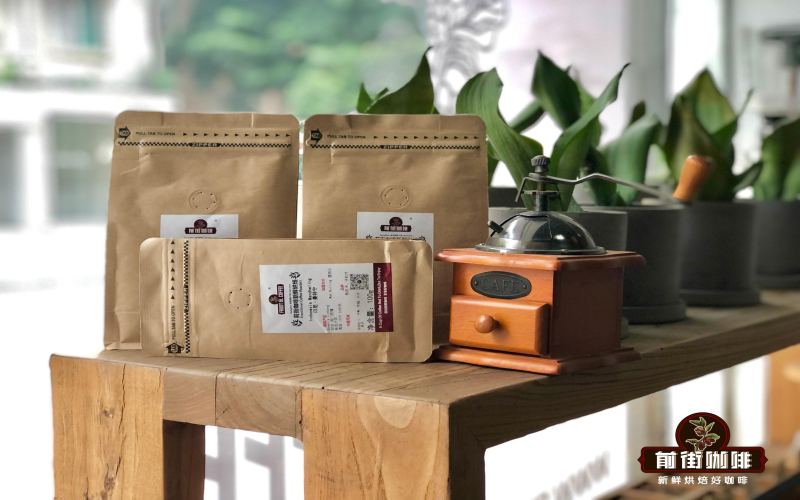
Analysis of Flavor Differences Between Pour-Over Coffee and Espresso Machine Output, with Five Front Street Coffee Everyday Bean Recommendations
Around the question of "Is pour-over coffee really better tasting than coffee from a machine?", Front Street conducted experiments comparing the essential differences between the two in aspects such as pouring method and temperature control. Because pour-over coffee allows flexible adjustment of factors such as water temperature, grind size, and pouring technique, it can customize extraction plans for beans with different roast levels, presenting a fuller and clearer flavor hierarchy; whereas the factory settings of a coffee machine limit this flexibility. The article also introduces brewing parameters corresponding to light roast and medium-dark roast beans, and recommends five classic regional representatives from Front Street's everyday beans series for pour-over enthusiasts to practice and explore. [more…]
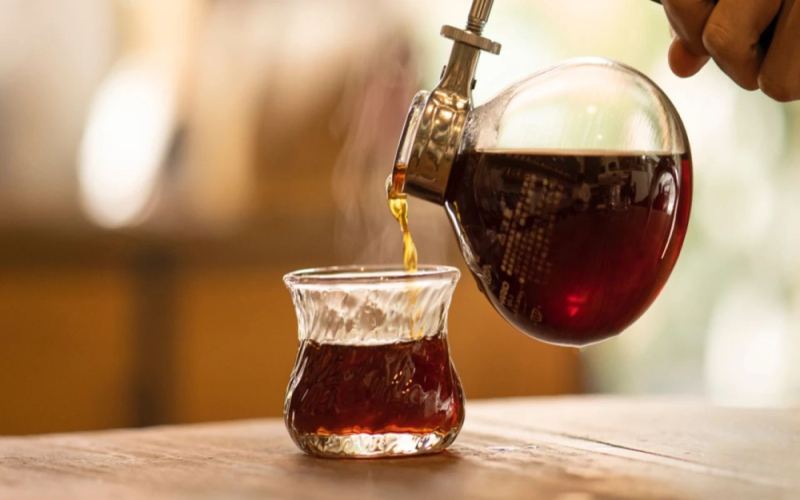
Siphon vs. Pour-Over Coffee: How Extraction Principles and Filtration Methods Affect Flavor and Taste
Siphon coffee and pour-over coffee are both classic methods for brewing single-origin coffee, yet they deliver strikingly different results in body and flavor. Pour-over is known for its clean, bright, and well-layered cup, while the siphon excels in rich, full-bodied depth and intense aroma. The root of this difference lies in the combined effect of the extraction method and the filtration system: the siphon uses a constant-temperature immersion extraction, combined with a flannel cloth filter that retains oils and fine particles, resulting in a heavier, more substantial brew; pour-over, on the other hand, relies on a drip method with a continuous supply of fresh hot water and uses high-density paper filters to trap impurities, producing an exceptionally clean cup. This article will analyze in depth, from the two dimensions of extraction principle and filtration method, why these two brewing methods bring such different taste experiences, and will include Front Street Coffee's bean selection recommendations to help coffee enthusiasts better understand and choose the brewing method that suits them. [more…]

A Detailed Guide to Five Classic Pour-Over Coffee Techniques: Volcano Pour, Matsuya Method, Stirring Method, and More — Steps, Pros, and Cons
Pour-over coffee may seem simple, but in fact it hides many intricacies. For those just starting out, mastering different pouring techniques can bring out completely different flavor expressions from the same bean. This article will break down five commonly used pour-over methods one by one—the volcano pour and Matsuya method from Japan, the stirring method that became popular in Europe and the United States after winning the WBC, the delicate and refined drip method, and the academy-style brewing method with excellent stability. Each method will be fully explained from operational key points, applicable scenarios, to advantages and disadvantages, helping coffee lovers find the most suitable brewing method according to their own needs and the characteristics of the beans. Whether you are pursuing a rich mouthfeel or a bright sweetness, you can gain practical reference from it. [more…]
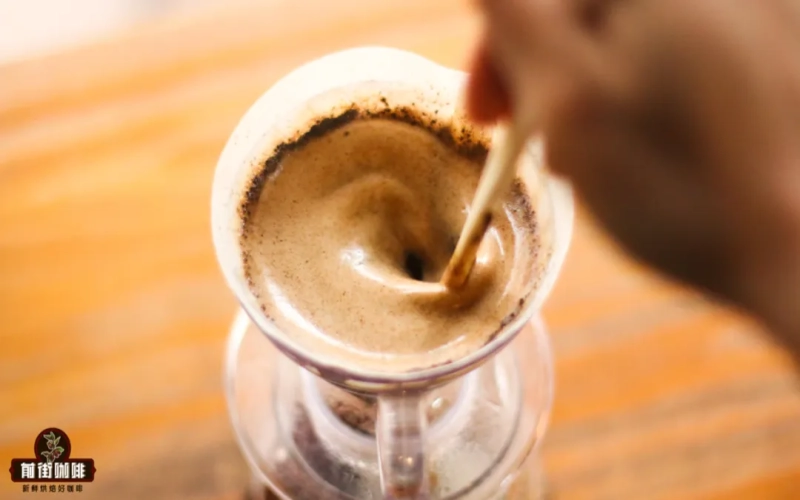
Pour-Over Coffee Stirring Method Iced Coffee Tutorial: Parameters, Steps, and Kenyan Coffee Bean Flavor Sharing
Why does the stirring method for brewing iced pour-over coffee bring out a richer flavor? This article will analyze the essential difference between the stirring method and conventional pouring from the perspective of extraction efficiency, and share in detail the complete parameters and steps for Front Street Coffee's iced pour-over made with Kenyan Little Tomato coffee beans, using a V60 dripper paired with the stirring method. If you are also interested in this fun brewing technique, why not follow along with this article and give it a try at home, experiencing the full-bodied juiciness and rich flavor that the stirring method brings. [more…]
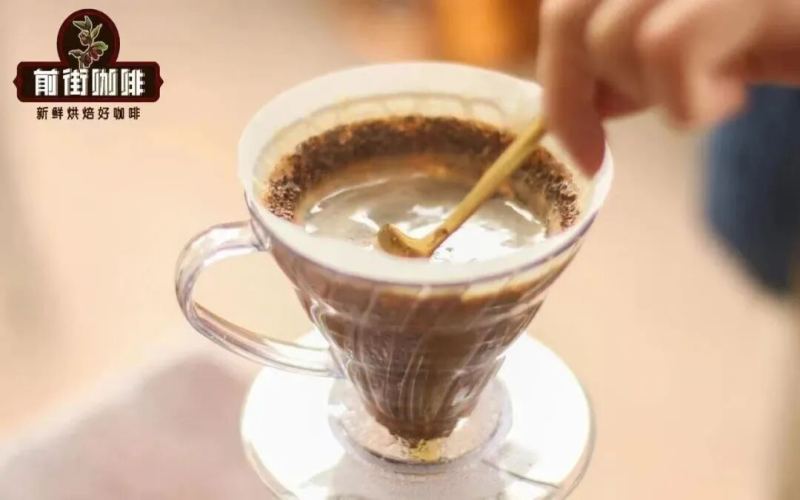
Iced Pour-Over Coffee | Can the Finest Grind and Highest Water Temperature Produce a High-Sweetness Iced Pour-Over? How to Make Iced Pour-Over Coffee with Kenyan Cherry Tomatoes
Regarding the making of iced pour-over, Front Street Coffee has already shared many different brewing methods. However, for beginners, it is still somewhat difficult to master most of these methods. This is because most iced pour-over methods require the use of ice cubes to achieve a rapid cooling effect, and we also need to make it by reducing the amount of water. [more…]
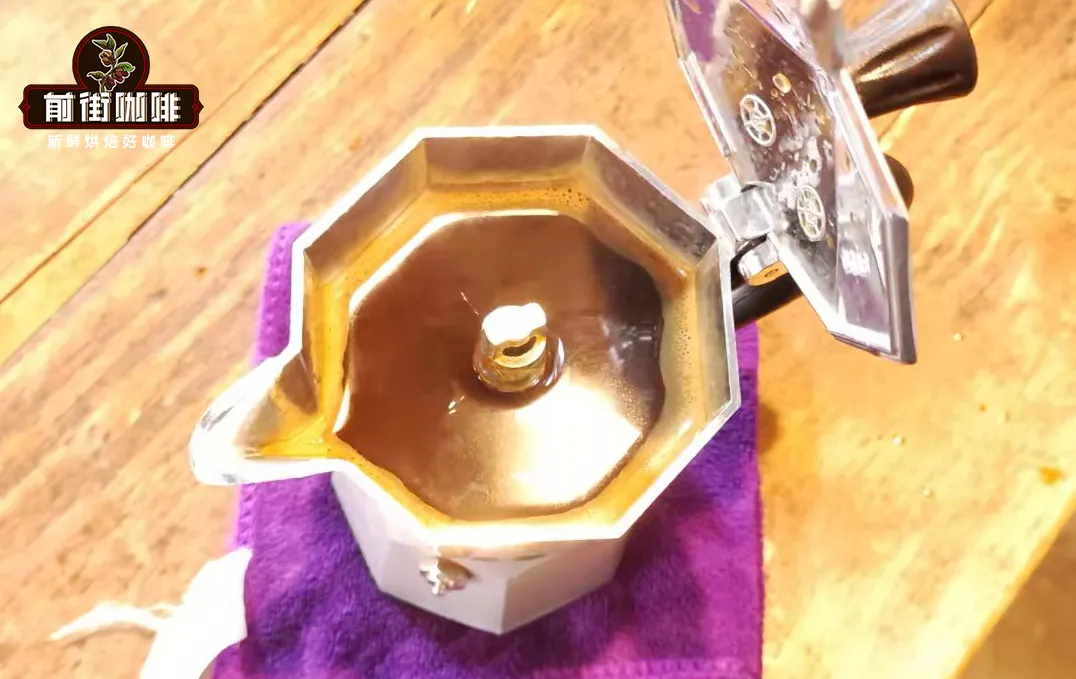
Types of Black Coffee Brewing Methods | What Are the Extraction Principles of Pour-Over and Espresso? How Do Drip Coffee, Immersion Coffee, and Boiled Coffee Differ?
There are quite a few types of coffee. Some people like instant coffee, some like pour-over, and others like cold brew. Coffee made with different methods has its own characteristics—some has a layered mouthfeel with distinct flavors, while some is convenient to brew. You can choose according to your own preferences. Pour-over [more…]
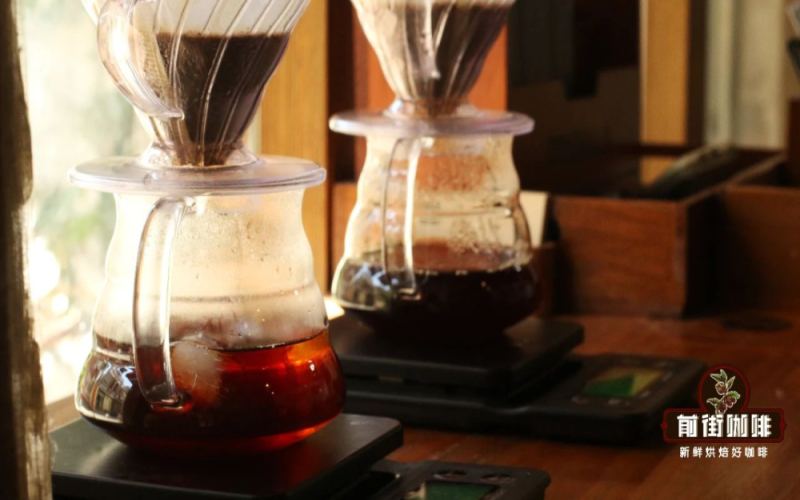
Yirgacheffe Washed Gudingding Pour-Over Parameters Sharing | What Are the Differences in Pour-Over Brewing Water Temperature, Pouring Technique, and Extraction Time Between Dark Roast and Light Roast Coffee Beans?
For more specialty coffee knowledge, please follow: Front Street Coffee (Frontsteet Coffee). The most charming thing about pour-over coffee is its adjustability. Many customers who often come to Front Street for coffee also try making pour-over at home, and they always say that pour-over coffee is too difficult. [more…]
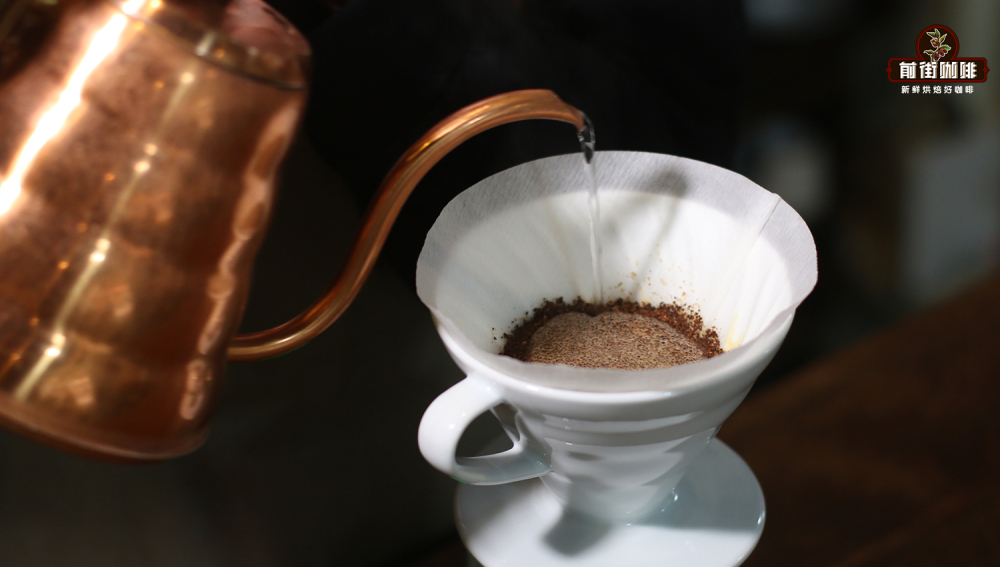
Single-Serve Pour-Over Coffee Method | What Is Gold Cup Extraction Yield? Which Brewing Technique Suits Coffee Beginners? Pros and Cons of the Drip Method, Volcano Pour, and One-Pour Technique
Front Street Coffee encounters customers asking about pour-over coffee every day, whether it's about what pouring technique should be used for pour-over coffee, or how much coffee grounds to use for pour-over coffee. In fact, with the development of coffee culture, more and more people no longer think of coffee as [more…]
How Coarse Should Hand-Brewed Coffee Be Ground? A Complete Standard Analysis from Sieve Pass-Through Rate to Brewing Technique
In the world of pour-over coffee, grind size is one of the key variables that determines the success or failure of a cup. If the coffee grounds are ground too fine, it easily leads to over-extraction and a bitter taste; if ground too coarse, it leads to under-extraction and a weak, watery flavor. So is there a reference standard for pour-over coffee grind size? Through extensive practice, Front Street Coffee uses a 0.85mm sieve as the benchmark, taking a grinding degree with a sieving pass rate of about 80% as the pour-over reference, and for medium-light roast and medium-dark roast coffee beans gives specific recommendations of a 75-80% and 70-75% pass rate through a No. 20 sieve. This article will systematically explain the mechanism by which grind coarseness affects flavor, sieve testing methods, tool choices for beginners, and Front Street's approach to grind size settings when brewing single origins such as Ethiopian washed Yirgacheffe, while also sharing practical points such as the three-pour method, coffee-to-water ratio control, and coffee bean freshness, to help coffee enthusiasts build a stable and reproducible pour-over system. [more…]
Golden Mandheling Pour-Over Coffee Extraction Plan | What Are the Variety, Processing Method, and Flavor of PWN Golden Mandheling Coffee? An Introduction to Golden Mandheling Coffee Bean Grind Size and Ratio
For more specialty coffee knowledge, please follow our WeChat official account: FrontStreet Coffee. With the development of the specialty coffee market, many coffee enthusiasts have started to explore how to brew pour-over coffee at home. However, pour-over coffee can't be mastered with just a recipe; it requires [more…]

Pour-over coffee method step-by-step guide | How to brew a delicious pour-over coffee? What are the water temperature, time, ratio, and how do you do the three-pour technique?
For professional coffee knowledge exchange and more coffee bean consultations, please follow Coffee Workshop (WeChat public account cafe_style). If you love drinking coffee, pour-over coffee is a skill you absolutely must master. Whether it's ordinary coffee beans or specialty coffee beans, pour-over coffee is one of the most widely used extraction methods. [more…]
Why Does Pour-Over Coffee Favor Staged Pouring? Analyzing the Extraction Efficiency and Controllability Differences Between the One-Pour Method and the Three-Stage Method
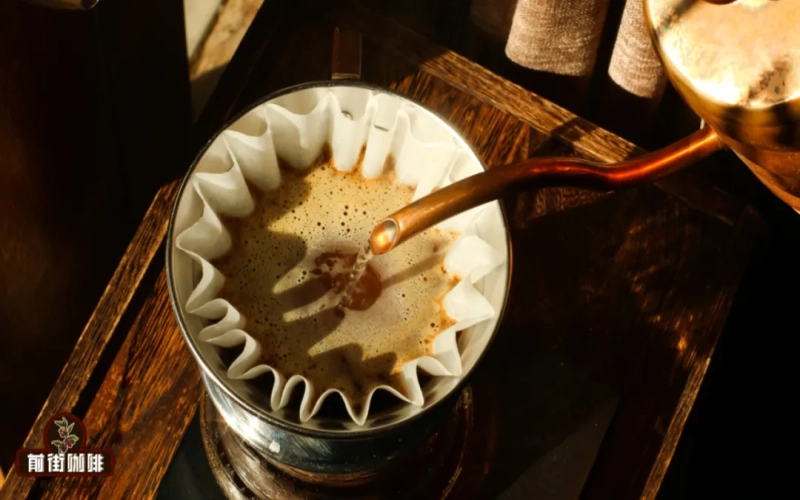
In the world of pour-over coffee, the choice of pouring method often determines the final flavor direction. Although brewing techniques emerge endlessly, multi-pour pouring has always remained mainstream—whether in professional competitions, café offerings, or enthusiasts' daily practice, its presence can be seen everywhere. Many friends who are just getting into pour-over ask Front Street Coffee: why do we always have to divide the water into several pours? Behind this actually involves two key factors: the improvement of extraction efficiency and the controllability of the brewing process. This article will unfold around the differences between single-pour and three-stage pouring and other staged pouring methods, analyzing the advantages of multi-pour pouring from the perspectives of extraction time and concentration differences, while also answering why immersion extraction has a higher fault tolerance rate, helping everyone understand the essence of the pouring logic in pour-over coffee. [more…]
How Much Coffee for a Single Serving of Pour-Over? The Golden Cup Extraction Principle and Techniques for Japanese-Style Drip Pouring and Stirring-Bloom Method
When brewing a pour-over coffee at home, how much coffee powder should you use? Starting from the SCA Golden Cup extraction standard, this article sorts out the practical logic of a 1:15 coffee-to-water ratio, explains the reasoning behind 15 grams of coffee powder and 225 grams of brewed coffee for a single serving, and analyzes the effects of water temperature, grind size, and pouring technique on flavor. Taking staged extraction as the main thread, the article details the rhythm control and operational details of blooming and degassing, three-stage pouring, and also compares the applicable scenarios, pros, and cons of the stirring bloom method, the Japanese drip pouring method, the single-pour method, and the volcano surge method, providing coffee enthusiasts with a clear, reusable brewing reference. [more…]
Home Coffee Beans | Which Tastes Better: Single-Origin, Pour-Over, or Blend Coffee? Must-Buy Quality Coffee Bean Recommendations for Beginners Using Pour-Over, Espresso, or Moka Pot
If you enjoy drinking coffee, you may come across several terms related to coffee bean classification: "blended coffee beans," "single-origin coffee beans," and "pour-over coffee beans." In this article, we will uncover the meanings behind these terms and help beginners understand how to choose the right coffee beans for home use. 1. Blended coffee [more…]
How Is a Siphon Different from Pour-Over Coffee? Can You Replace the Cloth Filter of a Syphon with Paper? A Full Explanation of the Siphon Principle
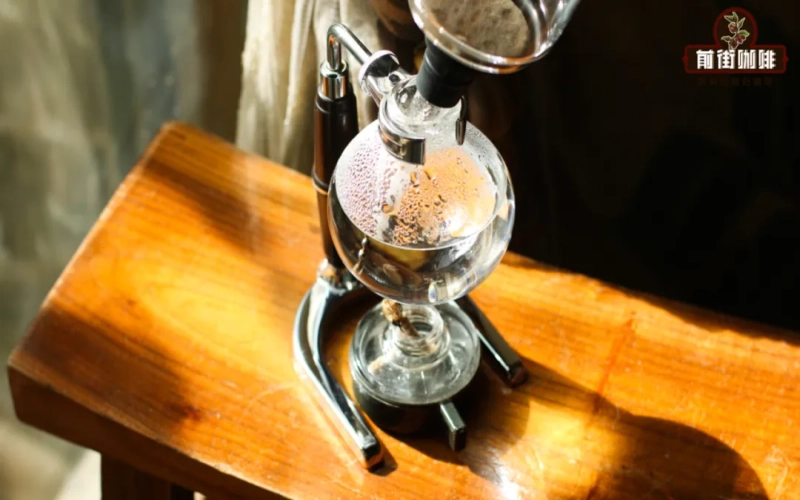
The siphon pot, with its unique brewing method and highly visual appeal, was once all the rage in coffee circles. Front Street has noticed that with the return of the retro trend, more and more cafés are putting siphon coffee back on their menus, allowing a new generation of enthusiasts to experience this classic flavor. As another way of presenting single-origin coffee, the siphon pot is naturally often compared with today's mainstream pour-over coffee. Where exactly do the two differ? Why are the taste and aroma so noticeably different? This article, from Front Street's perspective, will take a deep dive into the fundamental differences between siphon and pour-over in their extraction methods, and answer common questions such as whether a siphon pot can use paper filters instead of flannel. [more…]
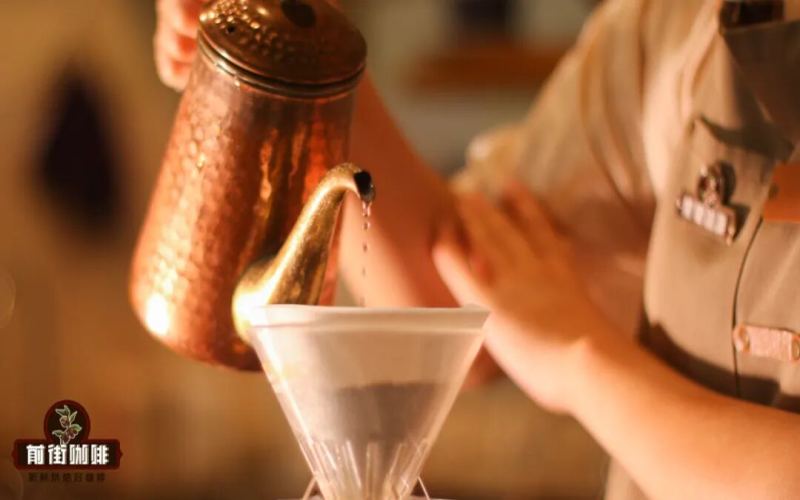
Brewing Methods | What kind of coffee beans is the drip method of pour-over coffee suitable for? What is the specific process of brewing pour-over coffee with the drip method?
As we all know, there are many ways to brew pour-over coffee. Apart from all-around methods that are beginner-friendly, such as the three-pour and 4:6 methods, there are also some lesser-known, high-difficulty techniques better suited to experienced brewers. For example, the brewing method Front Street Coffee is sharing today—just mastering it [more…]
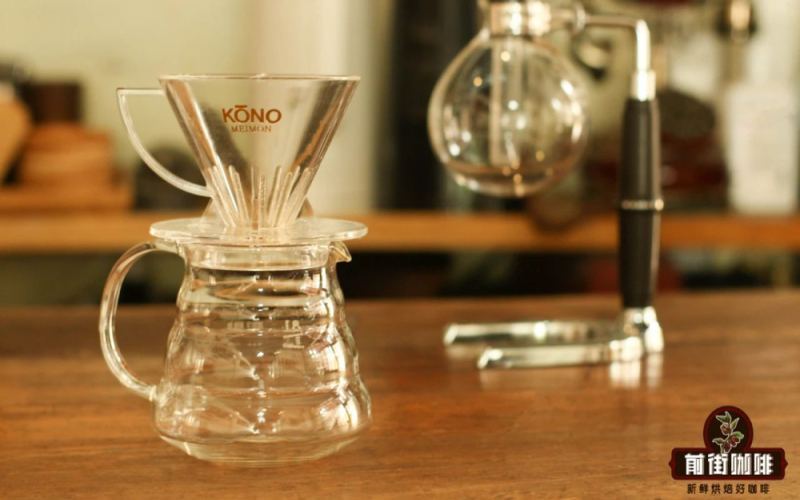
What exactly is drip coffee? A comprehensive analysis of drip coffee's characteristics, extraction methods, and brewing key points
In the world of coffee, brewing methods are incredibly diverse—instant, pour-over, and cold brew each have their own followers, and different methods deliver vastly different flavor experiences. Among the many extraction methods, drip coffee is the most common and easiest to master, and pour-over coffee is the most representative member of the drip family. This article will systematically outline the definition of drip coffee, its differences from and connections to pour-over coffee, and further introduce common extraction methods such as espresso, immersion, and decoction, while comparing the taste characteristics and suitable scenarios of different brewing methods to help coffee lovers find the cup that suits them best. [more…]
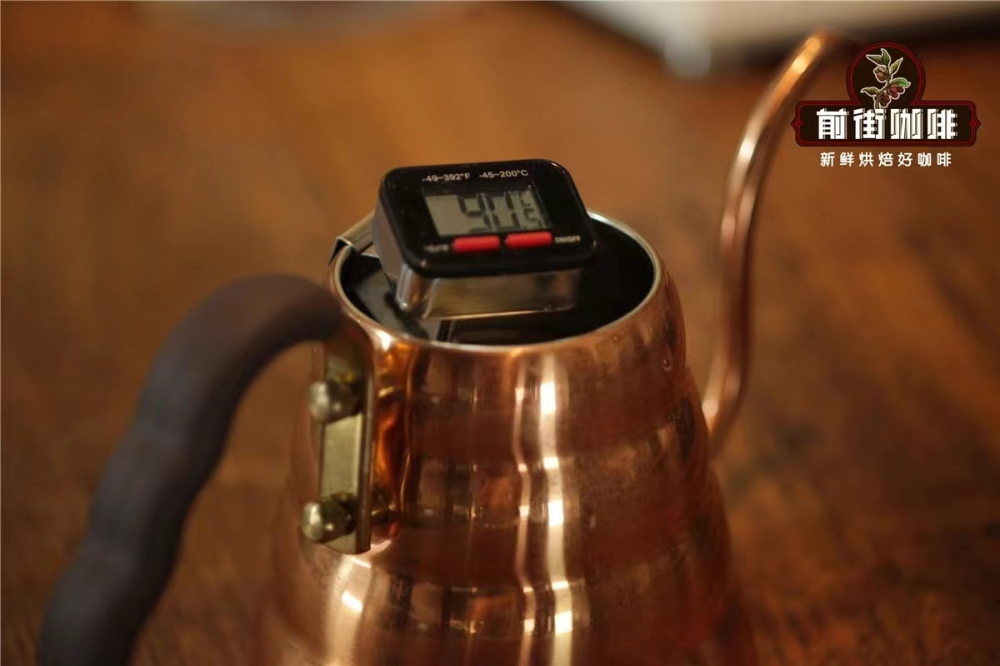
Golden Mandheling Pour-Over Coffee Brewing Recipe | What Are the Variety, Processing Method, and Flavor of PWN Golden Mandheling Coffee? An Introduction to Golden Mandheling Coffee Bean Grind Size and Ratios
For more specialty coffee knowledge, please follow our WeChat official account: FrontStreet Coffee. With the development of the specialty coffee market, many coffee enthusiasts have started to explore how to brew pour-over coffee at home, but pour-over coffee isn't something that can be mastered with just a recipe — rather, it requires [more…]
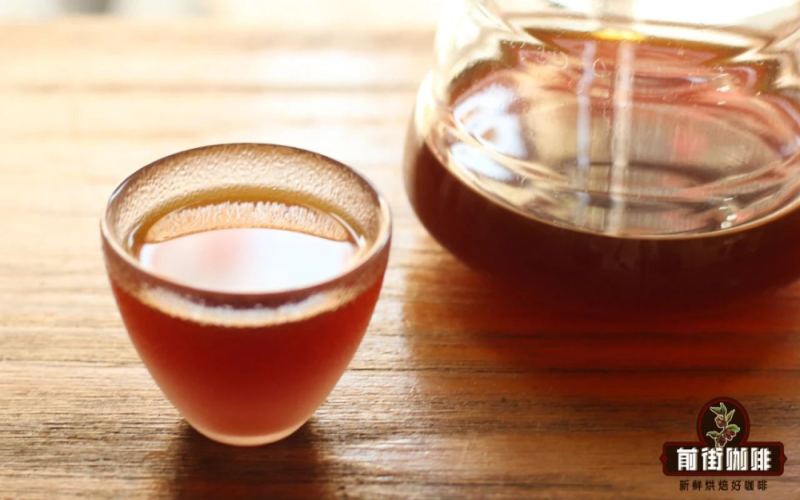
Pour-Over Single-Origin Coffee Tasting | Which Specialty Arabica Coffees Are Good for Pour-Over? 8 Must-Buy, Affordable, High-Quality Single-Origin Pour-Over Coffee Beans for Beginners
With the rise of third-wave specialty coffee culture in recent years, more and more people have fallen in love with "single-origin coffee." So-called "single-origin coffee" refers to coffee beans from a single growing region, and it usually also means higher-quality coffee; in roasting, adjustments are made to suit the characteristics of the origin and variety, so as to present the coffee in its purest form. [more…]